The life of a pest control professional is far more dynamic and complex than simply setting traps. It’s a career that demands sharp problem-solving skills, a deep understanding of biology and behaviour, and a commitment to protecting public health and property. Every day presents new challenges and unique situations, from a subtle insect issue in a family home to a significant infestation in a large commercial facility. This role is a constant blend of science, strategy, and customer service.
The morning briefing and preparation
The day typically begins early at the company office or depot. Technicians start by reviewing their assigned jobs for the day. Each case file includes details about the client's issue, the property's history, and any previously attempted treatments. This initial briefing is crucial for planning. Professionals must ensure their vehicle is stocked with the right equipment and products for the day's appointments. This includes a wide array of tools, from inspection cameras and moisture metres to various formulations of insecticides and rodenticides, along with essential personal protective equipment (PPE). Preparation is key to efficiently and safely handling the diverse tasks ahead.
Investigation and diagnosis
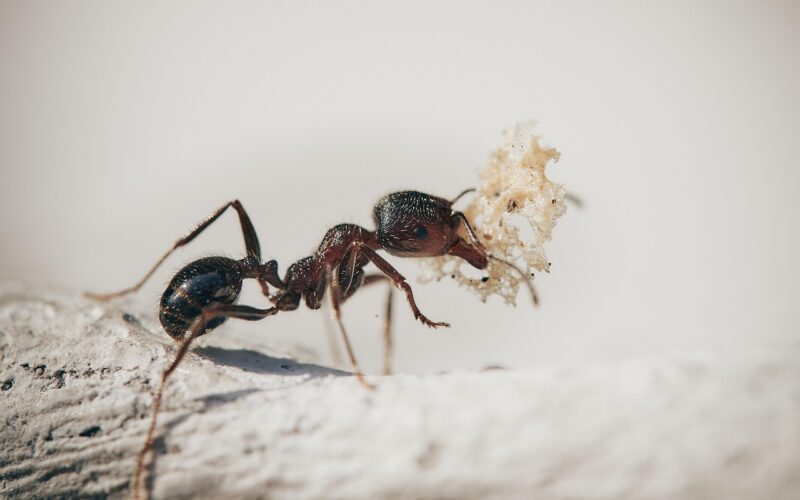
Arriving at the first client's property, the primary task is not to treat but to investigate. A homeowner might report seeing a few ants, but the professional’s job is to determine the extent of the problem. Is it a minor trail of sugar ants or a sign of a hidden carpenter ant colony causing structural damage? The technician conducts a thorough inspection, searching for entry points, nests, and signs of activity like droppings or damage. This detective work is fundamental to effective pest management. Explaining the findings to the client and outlining a proposed treatment plan is a critical part of the service, ensuring they understand the process of managing pests.
Mid-day challenges in commercial settings
After a residential call, the next job might be at a commercial property like a restaurant or warehouse, where the stakes are higher. Here, the focus is often on preventative measures and adhering to strict health and safety regulations. A restaurant, for instance, requires a discreet and sensitive approach to professional vermin control to protect its reputation and comply with food safety standards. The technician might inspect bait stations, check for signs of rodents along exterior walls, and ensure that a facility’s own pest prevention protocols, like sealing cracks and gaps, are being followed. These commercial visits are often part of an ongoing integrated pest management (IPM) plan.
Confronting difficult infestations
Not every job is routine. A technician might be called to a situation involving a significant infestation, such as a large wasp nest in a loft or a deeply entrenched rodent problem in an old building. These jobs require expertise and composure. Tackling a major vermin pest control issue involves a more intensive strategy. This could include deploying multiple types of traps, using specialised application equipment, or recommending structural repairs to the client to block access points permanently. Safety is paramount in these scenarios, both for the technician and the occupants of the building.
The importance of documentation and communication
Throughout the day, meticulous record-keeping is essential. After each visit, the professional logs detailed notes about the inspection findings, the treatments applied, the products used, and any recommendations given to the client. This documentation creates a valuable record for future visits and ensures legal and regulatory compliance. Clear communication with the client is just as important. Explaining what was done, what to expect in the coming days, and what preventative steps they can take empowers the client and builds trust. It transforms the service from a one-time fix to a collaborative effort in managing pests.
Wrapping up a rewarding day
As the day concludes, the pest control professional finishes their last appointment and heads back to base. The final tasks include cleaning equipment, restocking the vehicle for the next day, and submitting all job reports. Despite the sometimes unpleasant nature of the work, there is a deep sense of satisfaction. By solving pest problems, technicians protect families from disease, prevent businesses from suffering financial loss, and safeguard properties from damage. It is a challenging but ultimately rewarding profession dedicated to creating safer and healthier environments for everyone.