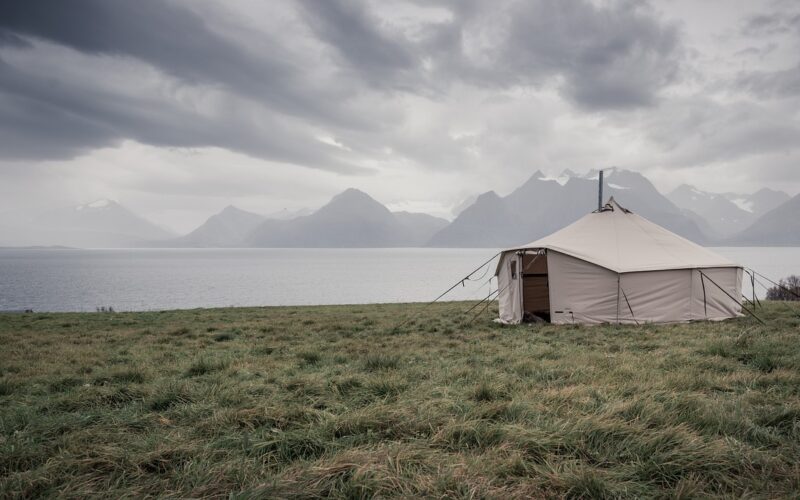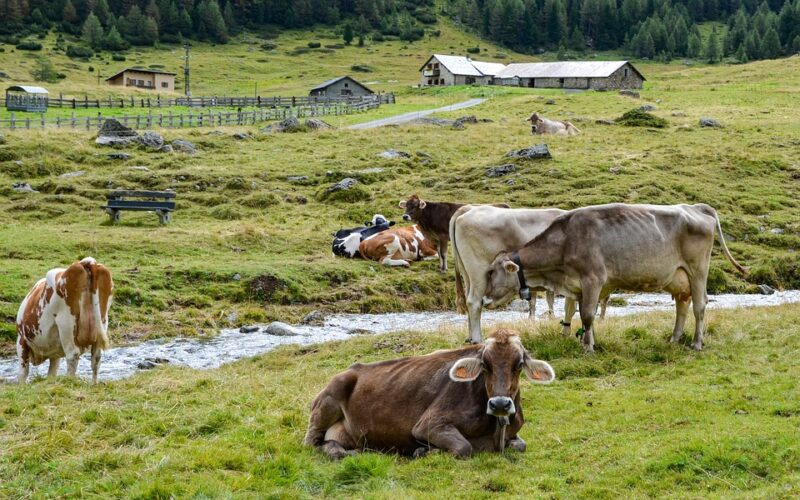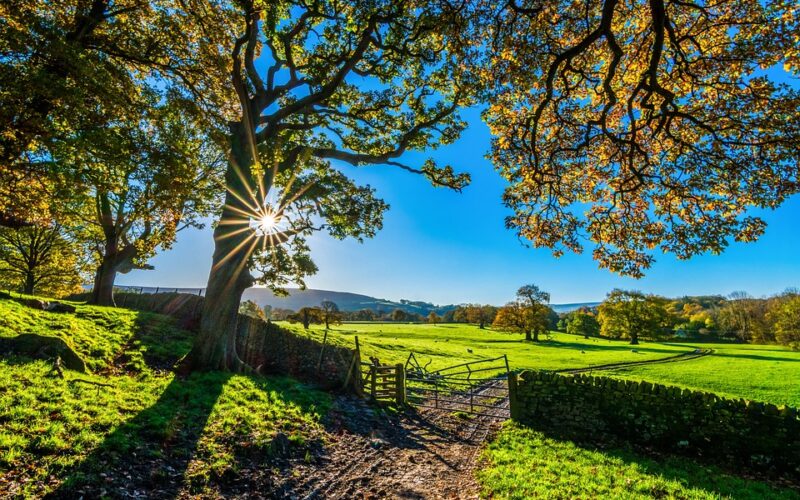
Adding a camping site to your farm can transform underused land into a profitable business venture, tapping into the growing demand for unique, rural getaways. Diversifying your agricultural operations this way creates a new income stream and allows you to share your corner of the countryside with a wider audience. Success, however, relies on careful planning, from initial concept to day-to-day management. By understanding the key steps involved, you can build a thriving campsite that complements your existing farm activities and attracts a steady stream of visitors.
Validating your concept and understanding the market
Before breaking ground, it is essential to assess the demand for camping in your area. Research local competition, identify your unique selling points—such as proximity to walking trails, fishing spots, or a farm shop—and define your target audience. Are you aiming for families seeking a weekend escape, couples wanting a quiet retreat, or hikers needing a base? Validating your concept through market research will help you tailor your facilities and marketing efforts effectively, ensuring your campsite appeals to the right guests and fills a gap in the local tourism market.
Navigating zoning, permits, and insurance
The legal framework for establishing a campsite is a critical hurdle to clear early on. You will need to contact your local planning authority to understand zoning regulations and determine if you need planning permission. In many cases, converting agricultural land for tourism requires a formal application. Furthermore, you must secure adequate public liability insurance to protect your business, your guests, and your existing farm operations. Addressing these legal and administrative requirements thoroughly from the outset will prevent costly delays and potential compliance issues down the line.
Designing the site layout for a great guest experience
A well-designed layout is fundamental to a positive guest experience. Consider the natural features of your land, positioning pitches to maximise views, privacy, and shelter. Plan clear access routes for vehicles and pedestrians that do not interfere with farm work. Spacing pitches generously prevents overcrowding and enhances the feeling of a rural escape. Think about the guest's journey from arrival to departure, ensuring signage is clear and the overall flow of the site is logical and convenient. A thoughtful layout not only improves visitor satisfaction but also makes daily management more efficient.
Planning for utilities and waste management
Essential services are non-negotiable for a modern campsite. You will need a reliable source of fresh water, a method for managing wastewater and sewage, and a system for rubbish and recycling collection. The complexity of these systems will depend on the scale of your operation. For a small site, you might extend existing farm utilities, while a larger one could require new connections or off-grid solutions like boreholes and septic tanks. A robust waste management plan is also crucial for maintaining a clean, attractive, and environmentally responsible site.
Constructing essential bathroom and shower facilities
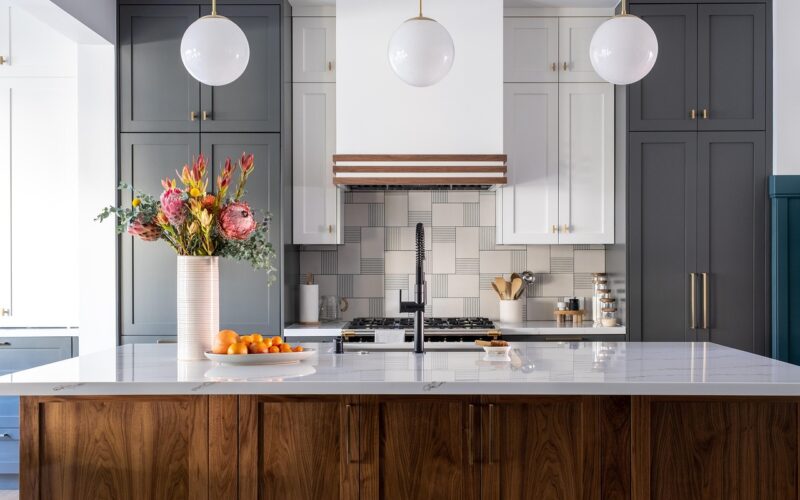
Guest comfort often hinges on the quality of the toilet and shower facilities. Constructing a purpose-built outbuilding for these amenities is a significant investment but one that pays dividends in positive reviews. When planning this new bathroom block, focus on durability, hygiene, and ease of maintenance. A complete bathroom renovation of an old farm building could also be an option, but a new build often allows for better layout and modern plumbing. Consider including features like family-sized shower rooms, accessible toilets, and a covered area for washing up. Whether you opt for a brand-new bathroom or a thoughtful bathroom upgrade, high-quality, clean facilities are a key differentiator that guests will appreciate and remember.
Properly managed, a farm campsite can become a rewarding and stable part of your business. As your reputation grows, you can reinvest profits into further enhancements, such as adding electric hook-ups, a children’s play area, or expanding your facilities with another bathroom upgrade. This continuous improvement will keep your campsite competitive and ensure it remains a sought-after destination for years to come, securing a valuable and sustainable income stream for your farm.