Renovating a farmhouse is a rewarding project that blends rustic charm with modern convenience. The process requires careful planning to honour the building's history while updating it for contemporary living. A successful renovation begins long before any demolition work. It starts with a clear vision, a detailed budget, and a thorough assessment of the property's structural condition. You should outline your priorities, from essential repairs to aesthetic upgrades, and allocate funds accordingly. Remember to include a contingency fund of at least 15-20% to cover unexpected issues that often arise when working with older buildings. This initial planning phase is crucial for a smooth and financially manageable project.
Preserving character while updating the layout
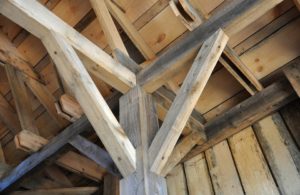
One of the greatest appeals of a farmhouse is its inherent character, found in features like exposed wooden beams, original stone walls, and wide-plank flooring. The goal is to preserve these elements while creating a functional, modern layout. Consider how you can improve the flow between key areas such as the mudroom, kitchen, and living spaces, which were often disconnected in original farmhouse designs. Opening up walls can create a more inviting atmosphere, but it is important to consult a structural engineer to ensure you maintain the building's integrity. The aim is to achieve a balance where historical details are highlighted within a practical, updated floor plan that suits your lifestyle.
Planning your farmhouse kitchen transformation
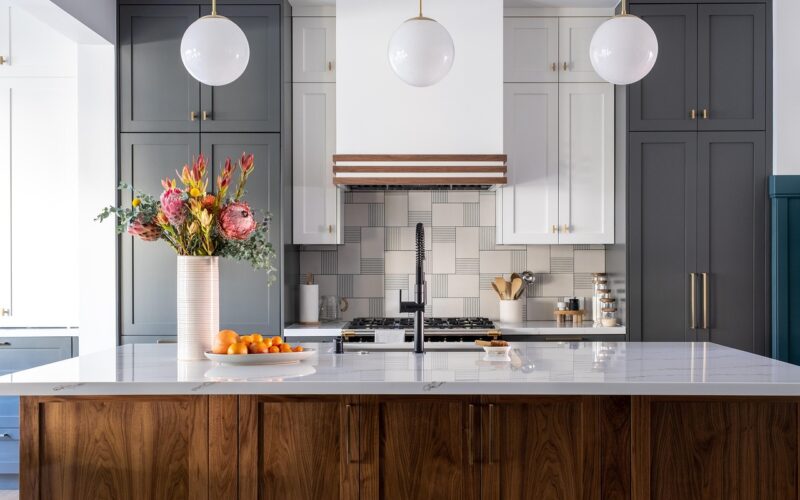
The kitchen is often the centrepiece of a farmhouse renovation. A complete kitchen transformation can redefine the entire home. When planning this crucial space, focus on creating a design that is both beautiful and highly functional. A successful kitchen upgrade involves selecting durable materials like natural stone or solid wood worktops, which complement the farmhouse aesthetic. Ample storage is key, so consider custom cabinetry, a walk-in pantry, or a large central island. The journey toward a new kitchen requires careful thought about layout, appliance integration, and task lighting to ensure the space works efficiently for cooking, dining, and socialising.
Achieving a new kitchen with timeless details
Executing the vision for a new kitchen involves paying close attention to the details that bring it all together. The right combination of finishes and fixtures will complete your kitchen upgrade. For appliances, you might choose modern, energy-efficient models that are panel-ready to blend seamlessly with your cabinetry, or select a statement range cooker that acts as a focal point. Lighting is another critical component; a mix of overhead, task, and ambient lighting will create a warm and usable environment. By focusing on quality materials and a well-considered design, your kitchen transformation will result in a space that feels both timeless and perfectly suited to a modern farmhouse.
Improving energy efficiency in an older home
Older farmhouses are not known for their energy efficiency, making this a critical area to address during a renovation. Upgrading insulation in the walls, roof, and floors is one of the most effective ways to improve heat retention and lower energy bills. Replacing old, draughty windows with modern, double- or triple-glazed units will also make a significant difference. Furthermore, consider updating the heating, ventilation, and air conditioning (HVAC) system to a more efficient model. These improvements will not only make your home more comfortable throughout the year but will also add long-term value to the property.
Selecting classic finishes for lasting appeal
The final touches of a renovation are what give a farmhouse its enduring charm. When selecting finishes, opt for classic and durable materials that will stand the test of time. For paint, choose a palette of warm neutrals, soft whites, or heritage colours that enhance the natural light and architectural details. Hardware for doors and cabinets, such as forged iron or antiqued brass, can add an authentic touch. Similarly, classic taps and light fixtures will contribute to a cohesive design. The key is to select high-quality finishes that feel appropriate for the home's history while providing the durability needed for modern life.
Managing timelines and professional help
A farmhouse renovation is a complex undertaking that often requires professional expertise. It is wise to hire a qualified architect or designer who has experience with historic properties, as well as a reputable builder and skilled tradespeople. Be prepared for a timeline that can stretch several months, or even longer, depending on the scope of the work. You must also navigate the process of obtaining planning permission and building regulations approval, particularly for structural changes or extensions. Starting this process early is essential. Your next steps should be to finalise your budget, start researching local professionals, and begin documenting your design vision to set your renovation up for success.