Transforming a portion of your farm into a glamping and outdoor activity hub can offer a substantial new revenue stream. This form of diversification taps into the growing demand for unique, nature-based holidays. By leveraging your existing land assets, you can create a desirable destination for tourists seeking comfort and adventure in the countryside. The initial investment can be significant, but the potential for high returns makes it a compelling option for farmers and landowners looking to secure their financial future and add resilience to their business model. Success hinges on careful planning, understanding your target market, and creating an unforgettable guest experience from the moment they arrive.
Navigating planning and permissions
Before any ground is broken, you must navigate the complex world of planning permissions. Converting agricultural land for commercial leisure use requires a change of use application to your local council. This process involves demonstrating that your proposed development is sustainable, well-designed, and will not negatively impact the local environment, landscape, or community. Engaging with a planning consultant who specialises in rural projects can be invaluable. They can help you prepare a robust application, conduct necessary environmental impact assessments, and address potential concerns from planning officers, such as traffic management, noise levels, and visual impact. Early and open communication with your local planning authority is key to a smoother process.
Designing the site for guest experience
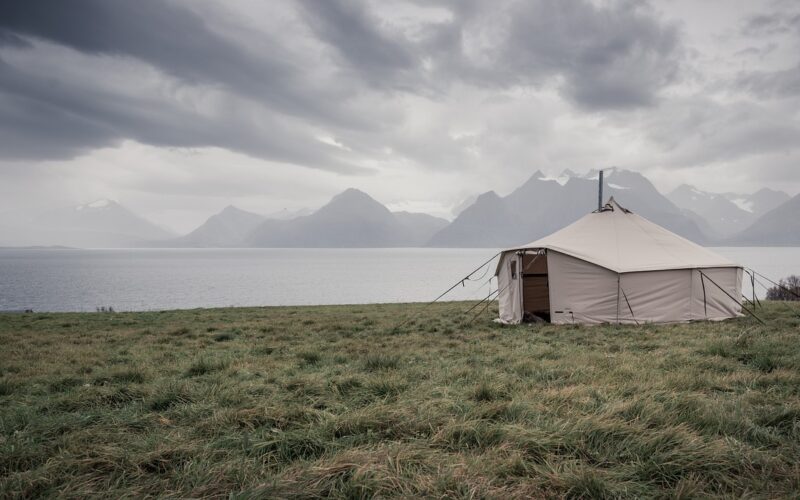
The design of your site is crucial for attracting and retaining visitors. Your accommodation—be it bell tents, yurts, shepherd's huts, or bespoke pods—should blend seamlessly with the natural landscape while offering comfort and style. Consider the layout carefully to maximise views and privacy for each unit. The overall guest experience extends beyond the accommodation. Think about communal areas like a fire pit, a covered kitchen and dining space, or a natural play area for children. Adding unique activities such as farm tours, foraging walks, or stargazing sessions can elevate your offering and justify a premium price point. Every detail, from the quality of the bedding to the welcome basket of local produce, contributes to a memorable stay.
Considering infrastructure and access
Reliable infrastructure is the backbone of a successful glamping site. This includes providing clean water, managing wastewater through a treatment plant or septic tank, and ensuring a stable electricity supply, perhaps supplemented by solar power. Access is another critical factor. Your entrance and on-site tracks must be suitable for guest vehicles in all weather conditions. While a rustic farm track has its charm, it may not be practical. A professionally installed driveway provides a welcoming first impression and ensures durability. For main access routes, tarmac driveways offer a robust and cost-effective solution. For guest parking and pathways, resin bound driveways provide a smart, durable, and attractive finish that complements a high-end glamping aesthetic.
Prioritising sustainability and drainage
A strong commitment to sustainability not only benefits the environment but also appeals to eco-conscious travellers. This can be reflected in your use of renewable energy, waste recycling programmes, and water conservation measures. Effective site drainage is a non-negotiable aspect of this, preventing waterlogging and protecting the local ecosystem. Modern surfacing solutions are essential here. By choosing permeable driveways, you allow rainwater to drain naturally through the surface back into the ground. This method helps to replenish the water table, reduces the risk of surface water runoff and flooding, and minimises the strain on your drainage systems, making it an environmentally responsible choice for access roads and parking areas.
Developing revenue streams and pricing
Your primary revenue will come from accommodation bookings, but there are many opportunities for ancillary income. You can offer paid activities, sell firewood, or partner with local businesses to offer bike hire or guided tours. A small on-site shop selling farm produce, local crafts, and essential supplies can also be profitable. When setting your prices, research your competitors and consider your unique selling points. Your pricing strategy should reflect the quality of your accommodation, the facilities you offer, and the overall experience. Dynamic pricing, which adjusts rates based on seasonality, weekends, and local events, can help you maximise occupancy and revenue throughout the year.
Marketing your new venture
Once your site is ready, you need a solid marketing strategy to attract guests. A professional website with high-quality photos and an easy-to-use booking system is essential. Establish a strong presence on social media platforms like Instagram and Facebook to showcase the beauty and unique aspects of your site. Listing your property on established online travel agencies (OTAs) can help you reach a wider audience, though direct bookings are more profitable. Encouraging guest reviews and testimonials will build your reputation and credibility. Collaborating with local tourism boards and influencers can also be an effective way to generate publicity and drive bookings, ensuring your new venture thrives.